
The Role of Pre-Lift Assessments in Construction Projects
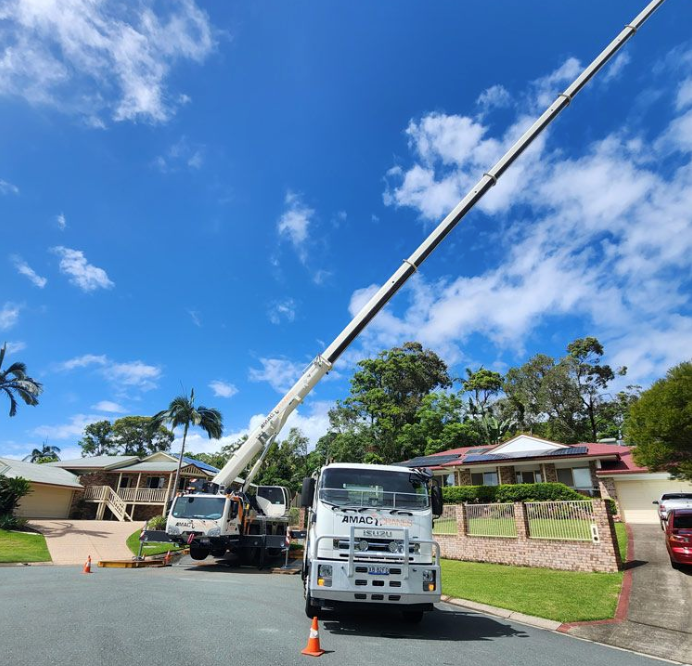
Lifting heavy materials is a routine part of construction, but every lift requires careful planning. From positioning structural steel to moving concrete panels, load weight, equipment capacity and site conditions can affect the operation.
Before arranging crane services or selecting a crane for hire, construction teams need to understand the proposed lift. A pre-lift assessment identifies hazards, determines suitable equipment and establishes how the work should proceed.
Assessing these factors beforehand can reduce delays, improve coordination and support safer working conditions across the construction site.
What Is a Pre-Lift Assessment?
A pre-lift assessment evaluates the requirements and risks of a lifting operation. It considers the load, equipment, site conditions and personnel involved before work begins. The assessment helps determine whether the lift can proceed under the planned conditions and what controls are necessary. It may form part of a broader lift plan, risk assessment or safe work method statement.
A typical assessment covers:
- The load's weight, dimensions and lifting requirements.
- The crane's capacity, configuration and operating limitations.
- Site hazards, access restrictions and the proposed lifting path.
Reviewing these details gives the lifting team a clearer understanding of the operation and required precautions.
Why Load Weight & Dimensions Must Be Checked
Load weight, dimensions, shape and centre of gravity influence equipment selection and lifting methods. Incorrect weight information can result in unsuitable crane selection or lifting arrangements. Rigging equipment and attachments must also be considered when calculating the total load against the crane's capacity.
Before selecting equipment, teams must establish:
- The verified load weight, including relevant lifting attachments.
- The load's dimensions, balance and designated lifting points.
- Whether suitable slings, spreader beams or other accessories are required.
Accurate load information helps determine suitable lifting arrangements and reduces uncertainty during crane selection.
How Site Conditions Affect Crane Operations
Construction sites present different challenges depending on layout, ground conditions and surrounding infrastructure. Restricted access, uneven surfaces and nearby buildings affect crane positioning. Ground stability is particularly important because cranes transfer substantial loads through their supports. Underground services, excavations and other hazards must also be considered before equipment arrives.
Site assessments should examine:
- Whether the ground can support the proposed crane setup.
- Access routes for cranes, transport vehicles and lifting equipment.
- Nearby structures, overhead powerlines and underground services.
Identifying restrictions early helps determine whether additional preparation or alternative lifting arrangements are necessary.
Planning the Lift Path & Equipment Position
The lift path determines how a load moves from its starting position to its destination. Planning involves checking clearance, crane reach and obstacles throughout the movement. Crane capacity also changes with operating configuration and working radius. Equipment capable of lifting a load nearby may not have sufficient capacity at a greater distance.
A lift plan should account for:
- The crane's working radius and capacity throughout the movement.
- Clearance from buildings, scaffolding and other obstructions.
- Suitable lifting and landing areas free from unauthorised personnel.
Planning the complete lift path helps identify conflicts before machinery and materials are positioned.
Why Weather Conditions Matter Before Lifting
Weather can change lifting risks, particularly when handling large or awkwardly shaped loads. Wind affects load stability, while heavy rain may reduce visibility or alter ground conditions. Lightning and severe weather also require consideration. Teams must assess conditions against manufacturer operating limits and the requirements of each lift.
Weather checks should cover:
- Wind speed and direction, particularly for loads with large exposed surfaces.
- Rainfall affecting ground stability, visibility or equipment access.
- Forecast changes that may require adjusting the lifting schedule.
Monitoring conditions before and during lifting helps teams recognise when an operation should be postponed.
Communication Between Crane Operators & Site Teams
Clear communication is essential when several workers participate in lifting operations. Crane operators, doggers, riggers and other personnel must understand their responsibilities and the agreed work sequence. Unclear instructions create risks, particularly when operators cannot directly see the load. Communication methods should be established before lifting and reviewed when conditions change.
Effective communication requires:
- Clearly assigned responsibilities for directing and controlling the lift.
- Agreed methods, including radio communication or recognised hand signals.
- Procedures for stopping work when communication fails or conditions become unsafe.
Consistent communication helps workers coordinate each stage and respond to changing conditions.
Identifying Hazards & Planning Control Measures
Pre-lift assessments identify hazards before workers and equipment encounter them. These may involve unstable loads, restricted visibility, traffic or people entering lifting areas. Once identified, risks must be assessed and suitable controls established. Measures may involve exclusion zones, traffic arrangements, alternative equipment or changes to the lifting sequence.
Common controls involve:
- Establishing exclusion zones around lifting operations and suspended loads.
- Separating pedestrians and vehicles from crane operating areas.
- Preparing contingency arrangements for equipment issues or unexpected changes.
Controls should be communicated to relevant workers and reviewed whenever operating conditions change.
Supporting Workplace Health & Safety Compliance
Crane operations must meet applicable workplace health and safety requirements covering equipment, worker competency and risk management. Certain activities require safe work method statements when classified as high-risk construction work. Pre-lift assessments support compliance by identifying hazards and establishing necessary controls and documentation.
Before lifting, relevant personnel should confirm:
- Appropriate licences, competencies and supervision arrangements.
- Required equipment inspections and applicable operating limits.
- Site-specific controls and necessary safe work method statements.
Documenting these arrangements supports accountability and provides a reference when conditions or personnel change.
How Pre-Lift Assessments Reduce Delays & Disruptions
Poor preparation can disrupt several construction activities. If equipment cannot access the site, a load exceeds planned capacity or the landing area is unavailable, work may stop. Pre-lift assessments help identify these problems before mobilisation and support coordination between lifting operations, deliveries and other trades.
Early planning can help avoid:
- Equipment arriving before access routes or lifting areas are ready.
- Delays caused by unsuitable crane configurations or incomplete load information.
- Scheduling conflicts between crane operations and other construction activities.
Although assessments cannot eliminate every disruption, they can reduce preventable delays affecting construction schedules.
Plan Your Next Lift with Our Crane Team
At AMAC Cranes Group Pty Ltd, we understand the importance of planning lifting operations around site conditions, equipment requirements and project demands.
Whether you're positioning structural materials or coordinating construction activities, we can discuss your lifting requirements and the factors requiring consideration before work begins.
If you need crane services or are looking for a crane for hire, contact our team to discuss your project and suitable lifting arrangements.
Frequently Asked Questions
Who Is Responsible for Conducting a Pre-Lift Assessment?
Responsibility depends on the lifting operation, contractual arrangements and applicable workplace safety requirements. Crane operators, lift supervisors, riggers and other competent personnel may contribute to the assessment. The relevant duty holders must make sure lifting risks are identified and managed.
Does Every Crane Lift Require a Written Lift Plan?
Not every lift has identical documentation requirements. The need for a written plan depends on the equipment, complexity, risks and applicable regulations. Higher-risk or complex operations generally require more detailed planning and documentation. Relevant site procedures may also specify written lift plans.
What Is the Difference Between a Routine Lift & a Complex Lift?
A routine lift generally involves familiar equipment, predictable loads and established operating conditions. Complex lifts may involve restricted access, unusual loads, multiple cranes or additional hazards. The level of planning and assessment should reflect the risks rather than relying solely on how frequently similar work is performed.
Can a Pre-Lift Assessment Be Reused for Another Lift?
An existing assessment may provide useful information for similar operations, but it should be reviewed before reuse. Changes to load weight, crane configuration, ground conditions, weather or surrounding site activities may introduce different risks and require revised controls.
What Happens if Conditions Change After the Assessment?
If site conditions change, the lifting team should reassess the affected risks before continuing. This may require modifying the lifting arrangement, introducing additional controls or postponing the operation. Work should not proceed where identified risks cannot be adequately controlled.